Camden High Street bulky rubbish collection tips
Posted on 17/07/2026
Bulky rubbish has a way of turning a normal day on Camden High Street into a bit of a headache. A worn-out sofa leaning in the hallway, a heavy wardrobe that won't fit through the lift, a broken fridge humming in the corner, or a pile of renovation offcuts after a quick flat refresh - it all adds up fast. The good news is that Camden High Street bulky rubbish collection tips do not need to be complicated. With the right planning, you can save time, avoid damage, reduce stress, and keep the whole job neat and compliant.
This guide breaks down how bulky waste collection works in a busy Camden setting, what to prepare before anything is moved, how to avoid common mistakes, and when it makes more sense to arrange a professional clearance rather than wrestle with it yourself. If you're dealing with mixed household items, office waste, furniture, or awkward appliances, a few smart decisions now can make the rest of the process feel surprisingly straightforward. Let's face it, no one wants to spend a Saturday tripping over a mattress in the stairwell.

Why Camden High Street bulky rubbish collection tips Matters
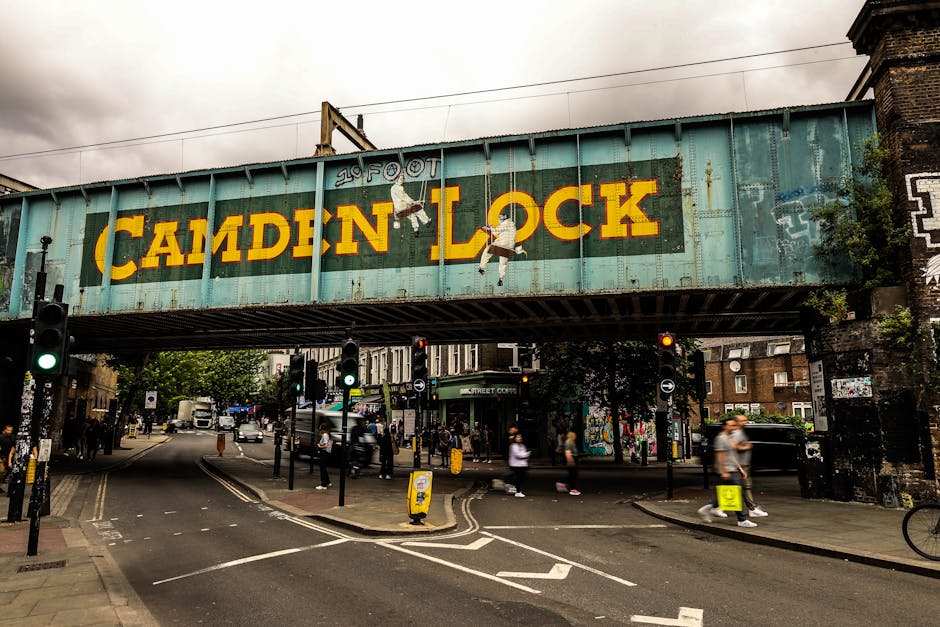
Camden High Street is not a quiet suburban road with endless driveway space and easy loading. It's a busy, mixed-use part of London where access can be tight, footfall is constant, and timing matters. That changes the game completely. Bulky rubbish collection here is less about simply "getting rid of stuff" and more about doing it in a way that is safe, respectful, efficient, and realistic for the street environment.
The reason good tips matter is simple: bulky waste can create friction quickly. A single bulky item left in the wrong place can obstruct shared access, annoy neighbours, attract complaints, and make a removal job far more awkward than it needs to be. Heavy items can also damage floors, walls, banisters, and communal areas if they're not handled properly. In a tall Camden building with narrow stairs, you will notice every little planning mistake.
There's also the recycling side. A lot of bulky items can be separated, reused, or processed more responsibly when they're sorted before collection. That matters if you want to avoid unnecessary landfill and keep disposal decisions sensible. Services such as recycling and sustainability are especially relevant when you are clearing a mix of furniture, appliances, and general household junk.
Practical takeaway: bulky rubbish removal on a busy high street works best when you treat it as a mini logistics project, not a last-minute lift-and-carry job.
How Camden High Street bulky rubbish collection tips Works
In practice, bulky rubbish collection usually follows a fairly simple flow: identify what needs to go, check access, group items sensibly, choose the right disposal route, and schedule the collection for a time that suits the property and the street. That sounds obvious, but in real life it's where most problems are avoided or caused.
For example, a flat above a shop might have no lift access and a narrow landing. A sofa that looked manageable in the living room suddenly becomes a two-person carry with a tight turn halfway down the stairs. Or a shop fit-out may generate mixed waste that needs separating before removal so the collection doesn't become slow and messy. That is why people often use rubbish collection in Camden when they want the process handled with less disruption.
A good collection process also considers the type of waste. Furniture, white goods, builders' rubble, garden waste, and office clearance items all behave differently. Some need dismantling. Some need safe lifting. Some are easier to recycle than others. If you're dealing with a worn-out wardrobe, a broken washing machine, or a flat's worth of mixed junk, matching the method to the material is half the battle.
In many cases, people start by using a broader service such as waste clearance in Camden when the load is more varied than a standard council-style bulky item pickup. That can be a better fit for real homes and real schedules, which are rarely perfectly tidy, to be fair.
Key Benefits and Practical Advantages
There are a few clear reasons why planning bulky rubbish removal properly pays off. The first is speed. When items are sorted, measured, and ready to move, the collection is usually smoother and far less disruptive. The second is safety. Heavy or awkward objects can strain backs, scrape walls, and create trip hazards if they are shifted casually. The third is cost control. A more organised load is often easier to assess, which helps avoid surprise delays or the need for a second visit.
There is also a less obvious benefit: peace of mind. Anyone who has tried to manoeuvre a heavy dining table through a shared hallway at 8 a.m. knows the feeling. You do not want to improvise when a property has neighbours, shared entrances, or strict building rules. A structured approach lowers the odds of an awkward moment in the lobby. Or the lift. Or the street. Anywhere, really.
For many households, the biggest advantage is simply being able to reclaim space. Bulky waste tends to sit around for weeks, becoming part of the furniture in a very unhelpful way. Once it's gone, the room feels lighter. You can breathe again. That one improvement often creates momentum for the next job, whether it's a loft tidy-up, a house clearance, or replacing old furniture.
If you are comparing disposal routes, looking at furniture disposal in Camden can be useful when the main load is sofas, tables, beds, wardrobes, or similar household items. For more appliance-heavy clearances, white goods and appliance disposal is the more relevant route.
Who This Is For and When It Makes Sense
This topic matters to a surprisingly wide group of people. If you live in a flat near Camden High Street, run a small business, manage a rental property, or are clearing a property after renovations, bulky rubbish can come up at short notice. It also matters for landlords dealing with end-of-tenancy clearances and for shop owners who need to remove old fixtures or packaging waste without blocking the front of the premises.
It makes sense to focus on proper collection tips when the waste is:
- too heavy to carry safely alone
- too large for standard household bins
- made up of mixed materials
- stored in a tight-access flat, basement, or loft
- likely to cause damage if dragged or tipped
- part of a bigger clearance job
If you're clearing out a whole property, then a more comprehensive route may be better than item-by-item disposal. Services like house clearance in Camden, office clearance in Camden, or commercial waste removal can save a lot of back-and-forth.
And if your bulky waste came from a loft, garage, or storage area that has quietly turned into a mountain of forgotten items, loft clearance is worth considering. That kind of job tends to be more awkward than people expect. One minute it's "just a few boxes," and then suddenly there's a broken chair, old luggage, and a printer from 2014 up there.
Step-by-Step Guidance
Here's a practical, street-friendly way to handle bulky rubbish without making the process harder than it needs to be.
1. Make a proper inventory
Walk through the property and list every bulky item. Don't just note "furniture" or "junk". Be specific. A sofa, bed frame, chest of drawers, fridge freezer, and two broken office chairs are very different from one another. Details help you plan the move and the disposal route.
2. Separate what can be reused, recycled, or dismantled
Some items are better taken apart before collection. Remove cushions, shelves, loose drawers, detachable legs, and anything that reduces bulk. This makes access easier and can make loading safer. It also helps if the waste stream includes materials that belong in different handling categories.
3. Check access before collection day
Measure doorways, hall widths, stair turns, and lift capacity if applicable. It sounds a bit obsessive, but it prevents the classic "this will definitely fit" moment that ends with a sofa stuck halfway down the stairs. In older Camden buildings, access is often the deciding factor.
4. Clear the route
Move smaller items, rugs, bins, bikes, and anything fragile out of the way. Protect corners and surfaces if needed. A clean route speeds everything up and reduces the risk of damage. You'll also make life easier for anyone helping with lifting.
5. Choose the right disposal option
For a single item or two, a simple collection may be enough. For mixed loads, property clearances, or heavier waste, a specialist service is often better. If the load includes broken furniture, white goods, or renovation debris, a broader services overview can help you match the job to the right solution.
6. Time the collection sensibly
On a place like Camden High Street, timing matters. Avoid the busiest windows if possible. Early in the day can be calmer, though the exact best time depends on the property, building access, and how much lifting is involved. Small detail, big difference.
7. Confirm what happens next
Before the job is finished, make sure the removal plan includes proper disposal, sorting, and any recycling that applies. If you are using a licensed waste carrier, that should be clear from the start. You want the items gone, yes, but you also want the job completed responsibly.
Expert Tips for Better Results
Some of the best bulky waste jobs are the boring-looking ones. Why? Because the preparation was done right. Here are the habits that save the most time.
- Photograph the items first. A quick set of photos helps with planning and avoids awkward surprises on collection day.
- Group items by type. Keep furniture together, appliances together, and bagged small waste together if possible.
- Use gloves and proper footwear. Not glamorous, but very sensible. A dropped hinge is not your friend.
- Empty drawers and cupboards. That one seems minor until a heavy chest becomes much heavier than expected.
- Think about disassembly. Removing legs or separating sections can make an item easier to move and less likely to scuff walls.
- Protect shared spaces. Communal hallways in Camden blocks can be narrow and a little unforgiving. A small amount of padding or care goes a long way.
If the rubbish is tied to a bigger property move or a sensitive clearance, you may also want to review safety and insurance expectations. The page on insurance and safety is a useful place to understand how responsible clearance work should be approached.
One more thing: do not underestimate the sound factor. In older buildings, dragging or bumping items can echo more than you expect. It's not exactly a crime scene, but neighbours do notice.
Common Mistakes to Avoid
The most common mistake is waiting until the rubbish has piled up so much that the whole space becomes awkward to use. Once you're stepping around a broken wardrobe every morning, the job feels bigger and more tiring. Another classic mistake is assuming every bulky item can be moved the same way. It can't. A mattress, fridge freezer, and filing cabinet each come with different handling issues.
People also sometimes forget to check restrictions for shared buildings or managed properties. If there is a service lift, booking rules may apply. If the front entrance is busy, you may need to plan the timing carefully. And if the item is in poor condition, remember that unstable pieces can collapse when lifted. That's a real risk, not just a theoretical one.
A few other avoidable errors:
- leaving collection planning until the last minute
- mixing fragile items into heavy loads
- ignoring weight and access limits
- failing to ask whether the waste can be recycled
- trying to move oversized items without enough help
- assuming every removal provider handles the same waste types
There's also the "it'll be fine" problem. Sometimes it will be. Often it won't. Better to be slightly cautious than to spend an afternoon half-way down the stairwell with a sofa and no plan.
Tools, Resources and Recommendations
You do not need a van full of specialist kit to handle bulky rubbish well, but a few simple tools can make a real difference. Tape measures help with access checks. A basic trolley can reduce strain when moving items across flat floors. Strong gloves protect hands from splinters and sharp edges. Straps can help secure loose parts during movement.
For larger clearances, bins or bags for smaller loose waste can keep things tidy while the main bulky items are being sorted. It helps to set aside a staging area, even if it's just one corner of a room. That way the job feels controlled rather than scattered all over the property.
If you want a better sense of how a wider clearance might be handled, these pages are worth keeping in mind:
- waste disposal in Camden for general disposal needs
- furniture removal in Camden for larger household pieces
- builders waste disposal in Camden for renovation debris
- garden waste removal in Camden for outdoor clear-outs
For broader insight into how the company works and what to expect from its service standards, the about us page and the waste carrier licence and compliance information are both sensible places to check. That kind of background matters. A lot.
Law, Compliance, Standards and Best Practice
Bulky waste is not just a practical issue; it also has a compliance side. In the UK, waste should only be passed to a legitimate carrier, and you should be satisfied that your items are being handled properly. The exact rules and duties can depend on the type of waste and who is producing it, especially in commercial settings, but the broad principle is straightforward: use responsible disposal routes and keep the process traceable.
Best practice means asking sensible questions before the load is removed. Who is taking it? Can they handle the specific type of waste? Is there a recycling route for any of it? Are there any safety steps you should take before collection? These are all normal questions, not awkward ones.
If your bulky rubbish comes from a business, landlord-managed property, or building works, the compliance bar is usually a bit higher. Keep records where appropriate, separate waste streams where practical, and avoid mixing materials that should be handled differently. That is especially useful for office clear-outs, shop refits, and builder-related waste.
Responsible operators should also think about safety during lifting, loading, and transport. If a job involves tight access, sharp edges, or heavier objects, the risk picture changes. That is why service information such as insurance and safety and compliance guidance are worth checking before you book.
In plain English: if it feels like a job that could go wrong in a hallway, it probably deserves a bit more planning. Which is not a bad thing. It's just adult life, frankly.
Options, Methods and Comparison Table
When dealing with bulky rubbish on or near Camden High Street, you usually have a few realistic options. The best one depends on item size, access, time pressure, and how mixed the waste is.
| Method | Best for | Strengths | Limitations |
|---|---|---|---|
| Self-removal | Small, manageable items with easy access | Flexible timing, direct control | Physical effort, transport hassle, more risk of damage |
| Specialist bulky collection | Large furniture, appliances, mixed household waste | Efficient, safer, less disruption | Needs scheduling and clear item details |
| Full property clearance | Emptying flats, houses, lofts, offices, or rental units | Comprehensive, saves time, handles mixed loads | More planning required |
| Item-specific disposal | Furniture, white goods, garden waste, builders debris | Clearer handling by waste type | May need more than one category if the load is varied |
If you are unsure which approach fits, that's normal. A mixed load from a Camden flat is often not a neat one-category job. In those cases, a broader clearance route is often easier than trying to force the waste into a single box.
Case Study or Real-World Example
Picture a top-floor flat just off Camden High Street. The occupier is moving out and needs to clear a two-seater sofa, a dismantled bed frame, a small fridge, and several bags of accumulated clutter from the storage cupboard. On paper, it sounds manageable. In reality, there's a narrow stairwell, a bend halfway down, a shared entrance, and limited space to stage items.
The smart approach would be to measure the larger items first, check whether the bed frame can be broken down further, keep the route clear, and separate the appliance from the general waste. The fridge is handled as a separate bulky item, the sofa is prepared with loose cushions removed, and the smaller clutter is bagged so it does not slow down the main lift. If the occupier had tried to do everything in one go, the job would have taken longer and felt much more stressful.
That sort of scenario is common. Not dramatic, just everyday London logistics. The difference between a smooth job and a messy one is usually a few sensible decisions at the start. A ten-minute prep can save an hour later. Sometimes more.
Practical Checklist
Use this quick checklist before bulky waste collection day:
- List every bulky item that needs removing
- Measure doorways, stairs, lifts, and turns
- Empty drawers, shelves, and cupboards
- Separate furniture, appliances, and mixed waste
- Clear the route from the item to the exit
- Protect floors or walls if the access is tight
- Confirm collection timing and access arrangements
- Check whether anything can be recycled or reused
- Make sure the disposal route is suitable for the waste type
- Keep children, pets, and bystanders out of the way while items are moved
That list is simple on purpose. Bulky rubbish jobs are easier when the thinking is done before the lifting starts.
Conclusion
Good Camden High Street bulky rubbish collection tips come down to three things: plan the access, sort the waste properly, and choose the right disposal method for the job. Once those basics are in place, the whole process becomes much more manageable. You avoid damage, save time, and make it easier to deal with the mess in one clean sweep rather than dragging it out for days.
Whether you're clearing a flat, replacing old furniture, getting rid of appliances, or handling a bigger property job, the best approach is usually the calm one. Measure first. Sort second. Lift carefully. Simple, yes, but it works.
If you want help with a larger clearance, or you'd rather have the bulky items removed without the stress of planning every detail yourself, explore the service options and make the next step an easy one.
Get a free quote today and see how much you can save.
And if you're standing in a room full of old furniture right now, take a breath. The hardest bit is usually getting started. After that, it tends to get lighter.